



daily feed
"Hormuz Tensions and $120 Oil: What a Strait Blockade Risk Means for Currencies"
By ashusharma02•Published: 2026-08-14•6 min read
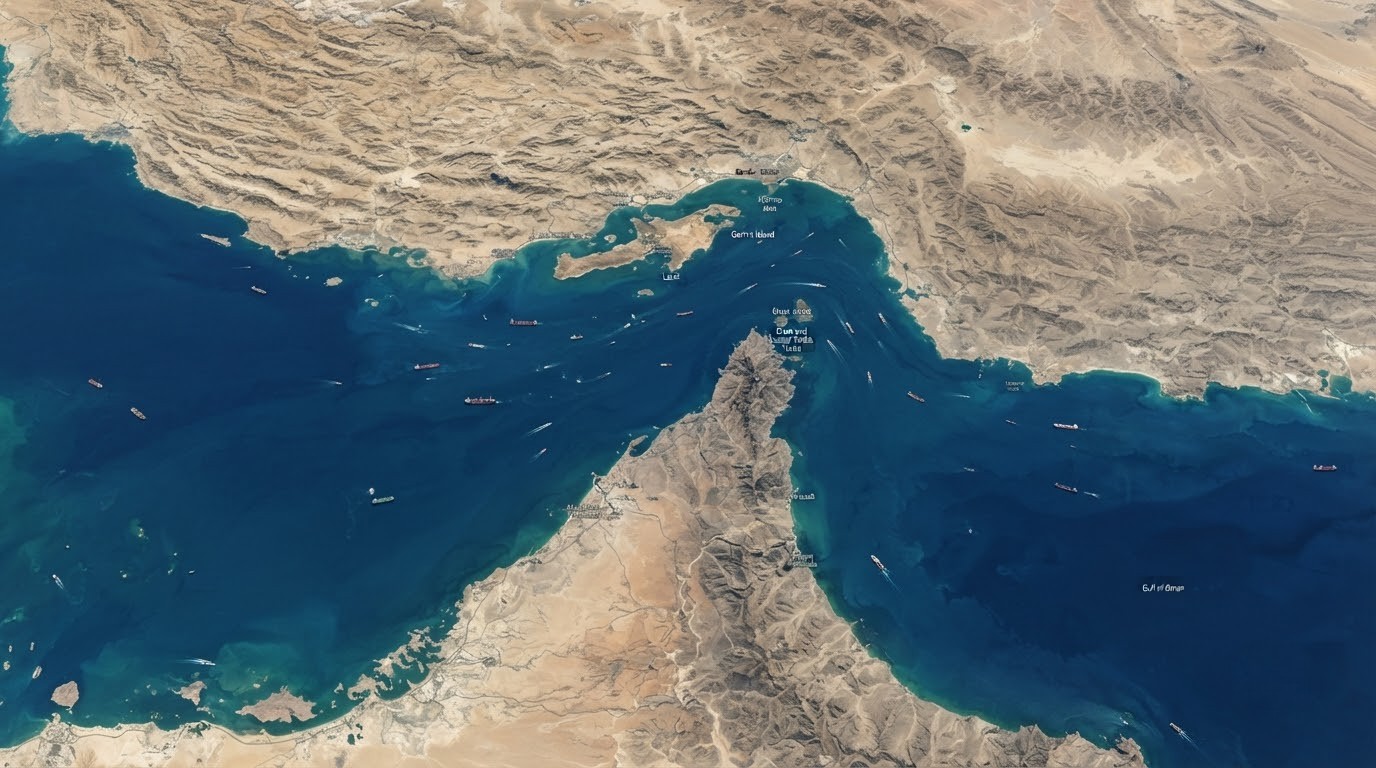
The Strait of Hormuz is once again at the centre of global markets. Any threat to restrict traffic through this narrow waterway can quickly affect crude oil, inflation expectations, bond yields and the foreign-exchange market. Although Brent crude has recently traded below the $120 scenario, continued disruption and escalation could make a sharp oil-price spike a major risk for currencies.reuters+1
Hormuz is strategically important because a significant share of global energy supplies passes through the strait. If shipping remains restricted, traders may price in tighter oil availability, higher transportation costs and increased geopolitical risk. The result could be a rapid rise in crude prices, especially if markets begin to fear a prolonged blockade rather than a temporary disruption.
For the U.S. dollar, the reaction may be two-sided. The dollar often benefits from safe-haven demand when investors reduce exposure to riskier assets. However, sharply higher oil prices could also increase U.S. inflation expectations and complicate the Federal Reserve’s rate outlook. Higher Treasury yields may support the dollar, while concerns about slower global growth could create volatility across major USD pairs.
The Canadian dollar may receive relative support because Canada is a major energy exporter. Rising crude prices can improve the country’s terms of trade and strengthen demand for CAD, particularly against currencies exposed to higher energy-import costs. However, if the crisis damages global growth, broad risk aversion could limit the Canadian dollar’s gains.
The Japanese yen is traditionally viewed as a safe-haven currency, but an oil shock creates a complicated backdrop for Japan. As a major energy importer, Japan may face a weaker trade balance when crude becomes more expensive. Consequently, the yen could strengthen during an initial flight to safety but later struggle if higher import costs dominate.
For forex traders, the key variables are not oil prices alone. Monitor shipping developments, Brent volatility, U.S. yields, inflation expectations and central-bank communication. A move toward reopening the strait could trigger a sharp reversal in crude and safe-haven positioning, while renewed attacks or a formal blockade risk could accelerate demand for defensive assets.
In this environment, volatility management matters more than making a one-directional forecast. Use smaller position sizes, avoid excessive leverage and wait for confirmation before chasing the first reaction.
Report Author
View Research Team →ashusharma02
Related Analyses
2026-09-03