



daily feed
Iran Sanctions Put Oil Markets on Alert as Hormuz Risks Increase
By ashusharma02•Published: 2026-08-24•6 min read
U.S. Treasury Secretary Scott Bessent has announced what Washington describes as its toughest sanctions campaign yet against Iran, calling the measures an “economic D-Day” designed to sever Tehran’s financial lifelines. The announcement has increased geopolitical risk even as oil prices initially moved lower on profit-taking.
The proposed sanctions are expected to target Iran’s trading partners and could place additional pressure on China and other countries that continue commercial ties with Tehran. Washington says the economic campaign is intended to intensify pressure without requiring a major new military operation.
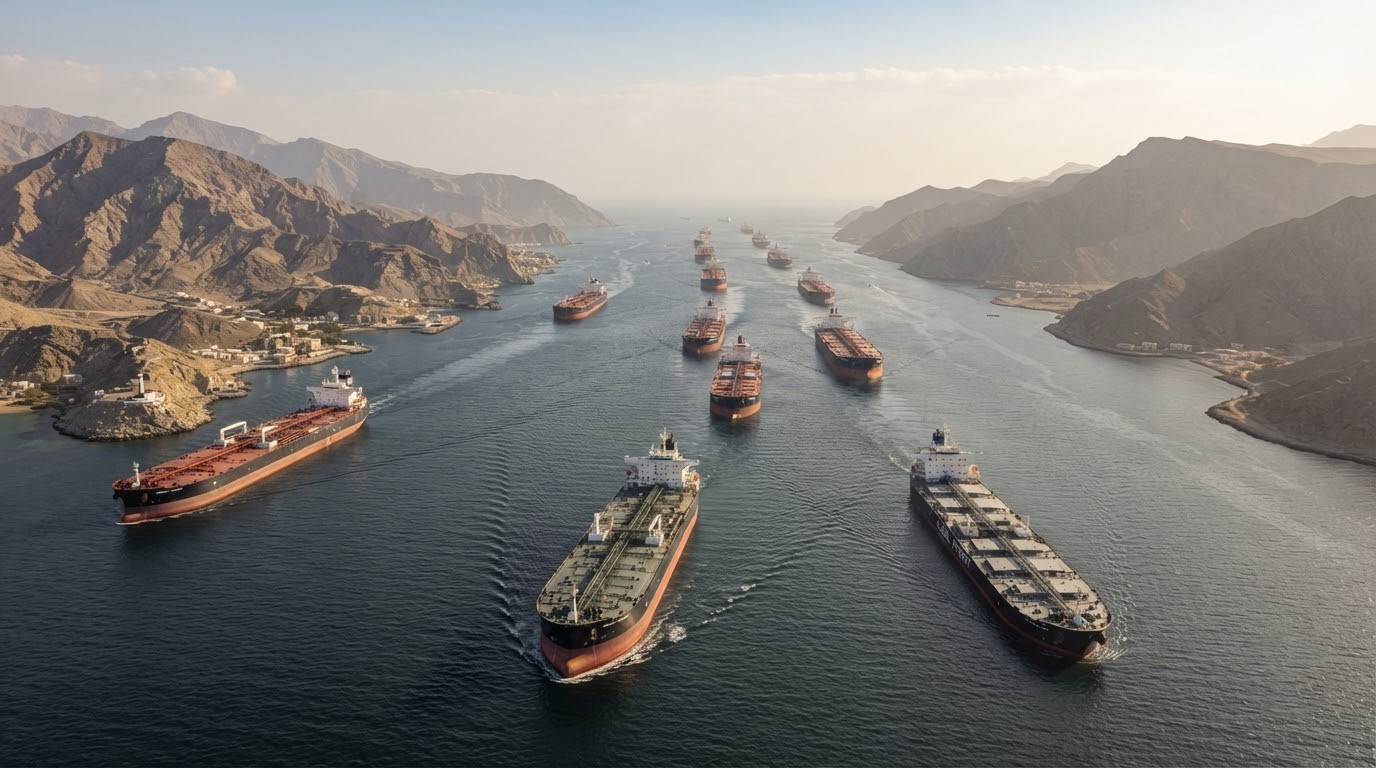
Tehran has responded with a far more serious warning. Iranian officials have threatened to disrupt or halt oil exports from the Persian Gulf if the economic pressure continues. The Strait of Hormuz is already operating under severe restrictions, with oil shipments described as being close to a standstill and Tehran warning that unauthorised tankers could face seizure.
This creates a dangerous contradiction for oil markets. On Monday, Brent crude fell about 1.3% to around $93.22 a barrel and WTI dropped to approximately $85.93 as traders took profits and waited for details of the sanctions. But a calm price reaction does not mean the supply risk has disappeared. If sanctions affect shipping, insurance, export financing or access to Gulf infrastructure, the market could quickly price in a larger supply disruption.
The consequences would extend beyond energy. Higher oil prices could lift global inflation, increase transport and production costs and complicate central-bank decisions. Oil-importing economies could face weaker trade balances, while energy exporters such as Canada and some Gulf producers might receive relative currency support.
The U.S. dollar could initially benefit from safe-haven demand, but a sustained oil shock would create a more complex outlook. Higher inflation might support U.S. yields, while fears of slower global growth could pressure risk-sensitive assets. Gold, the Japanese yen and Swiss franc may also attract defensive flows.
Forex traders should monitor Brent, WTI, USD/CAD, USD/JPY, gold and Treasury yields alongside developments in shipping through Hormuz. The crucial question is whether the sanctions remain financial and targeted or trigger retaliation that affects actual oil flows.
For now, markets are waiting for the details. The risk is that an economic campaign intended to isolate Iran could produce a broader energy shock, making diplomacy and shipping developments just as important as the sanctions announcement itself.
Report Author
View Research Team →