



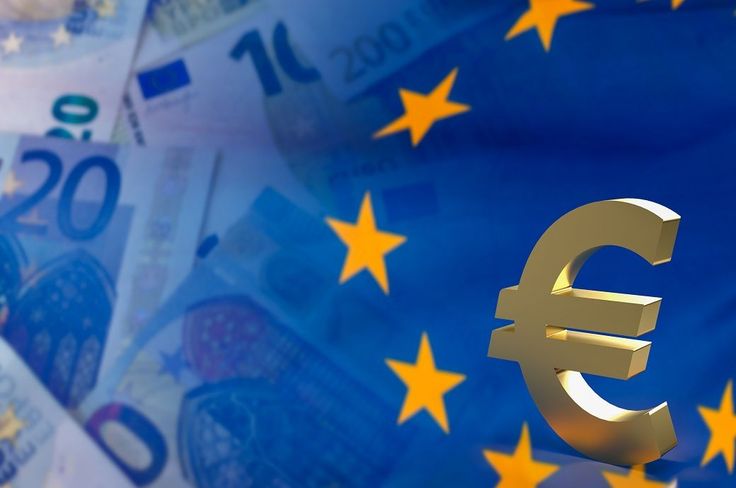
The euro remains volatile as markets prepare for a potentially more restrictive European Central Bank. Traders are increasingly focused on whether the ECB will lift its deposit rate from 2.25% to 2.50%, a move that would mark another step toward tighter policy as energy costs push inflation higher across the euro area.
The expected increase is already largely reflected in market pricing. However, the euro’s reaction may depend less on the rate decision itself and more on what policymakers say about future moves. A hike accompanied by cautious guidance could trigger profit-taking, while a clear warning that additional increases may be needed could support EUR/USD.
Why the ECB Is Tightening
The central challenge is the renewed rise in energy prices. Higher oil and gas costs are feeding into transport, food production and business expenses, raising concerns that inflation could remain above target for longer than previously expected.
The ECB must decide whether these price pressures are temporary or likely to spread through wages and services. Raising rates can help prevent inflation expectations from becoming embedded, but it also risks slowing household spending, business investment and already-fragile economic growth.
How the Euro May React
A deposit rate of 2.50% would bring ECB policy to the upper end of the central bank’s estimated neutral range. That may give the euro some yield support, especially against currencies whose central banks are expected to remain cautious.
However, the euro is not guaranteed to rise. If markets believe the hike will weaken the economy or represent the final move in the cycle, investors may sell the currency after the announcement. EUR/USD will also remain sensitive to the Federal Reserve, particularly as U.S. inflation has increased expectations for higher American interest rates.
What Traders Should Watch
Traders should monitor EUR/USD, German two-year yields, euro-area inflation, energy prices and ECB President Christine Lagarde’s communication. A rise in European yields alongside a stronger euro would suggest that markets are pricing further tightening. If yields fall after the decision, it could indicate that traders view the hike as a one-off measure.
The euro’s volatility reflects a difficult policy environment. The ECB is tightening to protect price stability while trying not to deepen an economic slowdown caused by expensive energy and geopolitical uncertainty.
For now, markets are watching the 2.50% level as a major policy milestone. The more important question is whether it represents the peak of the current cycle—or merely the next stage of a longer tightening campaign.