



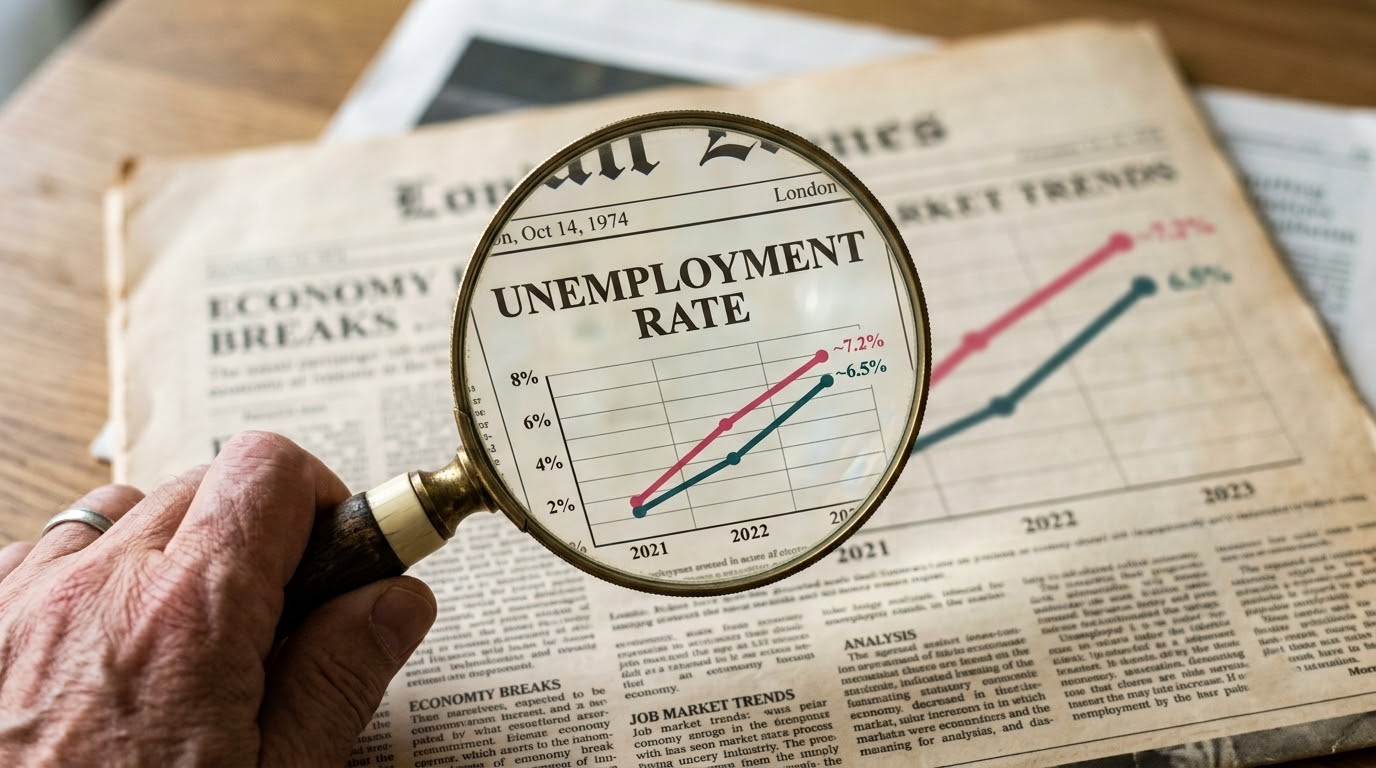
The September U.S. employment report is expected to provide an important test of the economy’s strength and the Federal Reserve’s next policy decision. Economists are forecasting that the unemployment rate will remain unchanged at 4.1%, while nonfarm payroll growth may slow to approximately 89,000 jobs from 162,000 in August. The figures could shape expectations for interest rates, Treasury yields, the US dollar, and broader market sentiment.
A stable unemployment rate would suggest that the labor market has not experienced a sudden deterioration. However, the expected slowdown in payroll growth may indicate that companies are becoming more cautious about hiring. Businesses may be responding to elevated borrowing costs, changing consumer demand, uncertainty over economic conditions, or the cumulative effects of restrictive monetary policy.
The difference between 162,000 jobs in August and an expected gain of about 89,000 in September is significant. It does not automatically mean that the economy is entering a recession, but it could show that the pace of job creation is returning to a slower and more sustainable level. Investors will therefore look beyond the headline figure and study the quality of the report.
Wage growth will be particularly important. Strong pay increases can support household spending, but they may also keep inflation elevated by raising labor costs for employers. If wages remain firm while payroll growth slows, the Federal Reserve could face a difficult policy choice. Officials would need to balance the risk of weakening employment against the need to prevent inflation from becoming persistent.
Labor-force participation will also receive close attention. If more people begin looking for work but hiring does not keep pace, the unemployment rate could eventually rise. On the other hand, a stable participation rate combined with steady employment would suggest that the labor market remains relatively balanced.
The report could have an immediate effect on financial markets. A weaker-than-expected result may push Treasury yields lower as traders increase expectations for future rate cuts. The dollar could also lose ground, while technology shares, growth stocks, and other rate-sensitive assets may benefit from lower borrowing-cost expectations.
A stronger report would produce the opposite reaction. Rising yields and a firmer dollar could reflect expectations that the Fed will keep interest rates high for longer. Stocks may face pressure if investors conclude that monetary easing is being postponed.
Ultimately, the September jobs report will not be judged by the unemployment rate alone. Payroll growth, wages, participation, hours worked, and previous-month revisions will all help determine the market’s response. A moderate slowdown could support hopes for a soft landing, while a sharp deterioration could revive concerns about economic weakness. With the Federal Reserve closely watching labor-market conditions, the report may become one of the most important indicators for the next phase of US monetary policy.